 CARE ASSISTANT
 NL
NLStress Urinary Incontinence (SUI)
Leaks triggered by pressure: coughing, sneezing, laughing or effort.
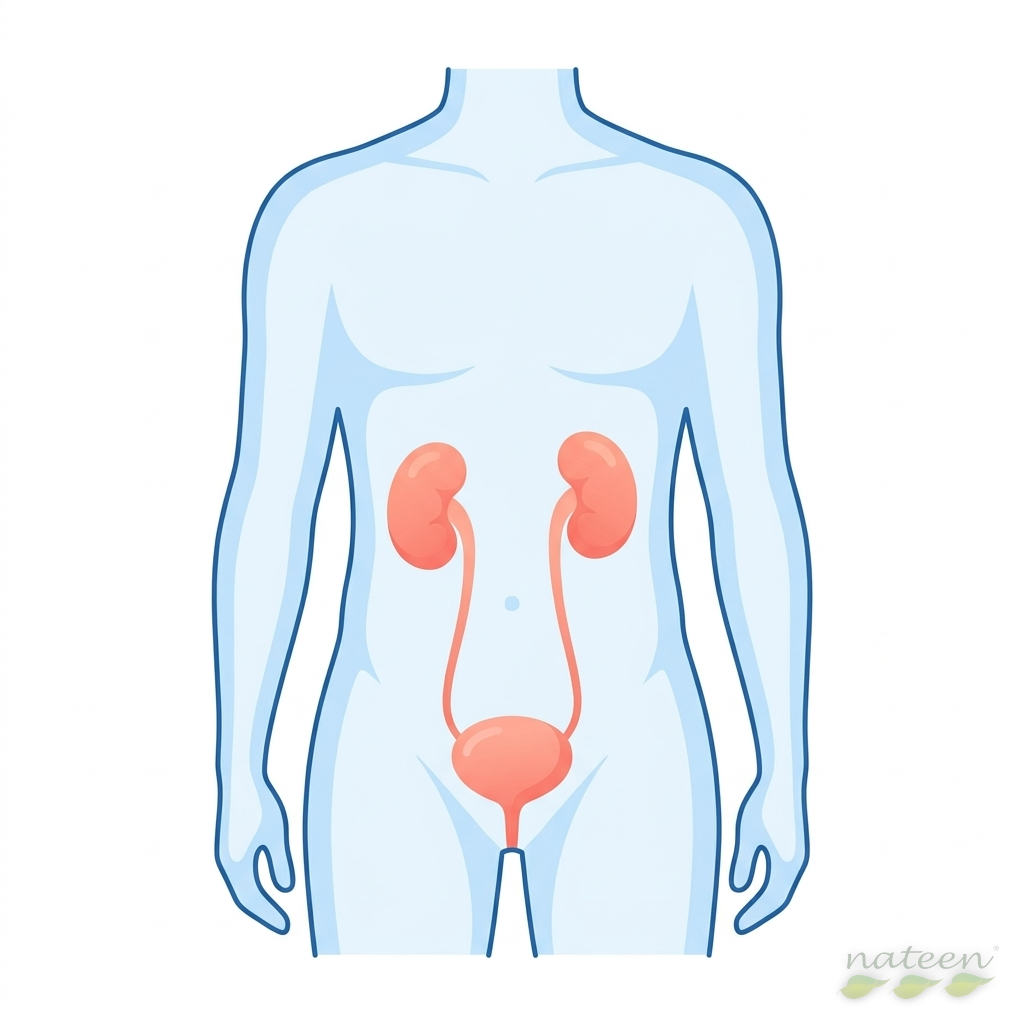
Stress incontinence appears when the pelvic floor 'hammock' or the sphincter itself is weakened. The valve does not stay closed under pressure and urine escapes.
It is very common after childbirth (especially with forceps or an episiotomy), at menopause with hormonal changes, or in men after prostate surgery.
Straining hard and often to open the bowels stretches the pudendal nerve and weakens the pelvic floor. Treating constipation is part of managing stress leaks.
More Informations
Leaks on effort: coughing, laughing, sport. A mechanical problem that is treated well.
Definition
Stress urinary incontinence is a leak triggered by pressure on the bladder (cough, sneeze, lifting, sport), when the pelvic floor and sphincter no longer hold enough.
Causes
Childbirths, menopause, excess weight, chronic cough, and in men prostate surgery.
Diagnosis
- Cough test with a full bladder.
- Pad test to quantify leaks.
- Urodynamic assessment as needed.
Treatments
Pelvic floor rehabilitation, supervised by a physiotherapist, is the first treatment. Local hormone treatment can help after menopause. If discomfort persists, urethral support surgery (sling) gives good results.
Stress leaks are brief but repeated: coughing, laughing, sport. A thin, well-fitted Hospeen Lady bladder control pad catches them quickly and is changed discreetly during the day.
Educational content written for families and caregivers. It does not replace a consultation: a doctor, a continence nurse or a physiotherapist makes the diagnosis and chooses the treatment.